Fulbright Germany Summer Institute
GTI hosts a program for students from German universities of applied sciences (Fachhochschulen) to explore culture and sustainability through the month of August 2026.
A Culture of Sustainability
The Global Training Initiative (GTI) at NC State prepares to host a third cohort of German Fulbright students for a month-long program considering the role of culture in climate action.
Hosting Institution: North Carolina State University at Raleigh
NC State is one of the nation’s preeminent research institutions and the university of choice for accomplished, high-performing students from around the world. NC State’s extensive public and private partnerships create a unique culture of collaboration to address the grand challenges facing society. The university’s solution-driven research, technology and scholarship lead to new ideas, products and services. With more than 35,000 students and 8,000 faculty and staff, NC State is a comprehensive university known for its leadership in interdisciplinary innovation. The capital city of Raleigh is located in the Research Triangle region, home to many of the country’s leading Fortune 500 technology, research and pharmaceutical companies.
The 2026 Summer Institute will be hosted by the Global Training Initiative in close collaboration with campus and community partners. Campus and community departments and groups are encouraged to reach out to Becky Cibulskis to plan an intentional interaction with the visiting cohort.
Program Information
Program Plan
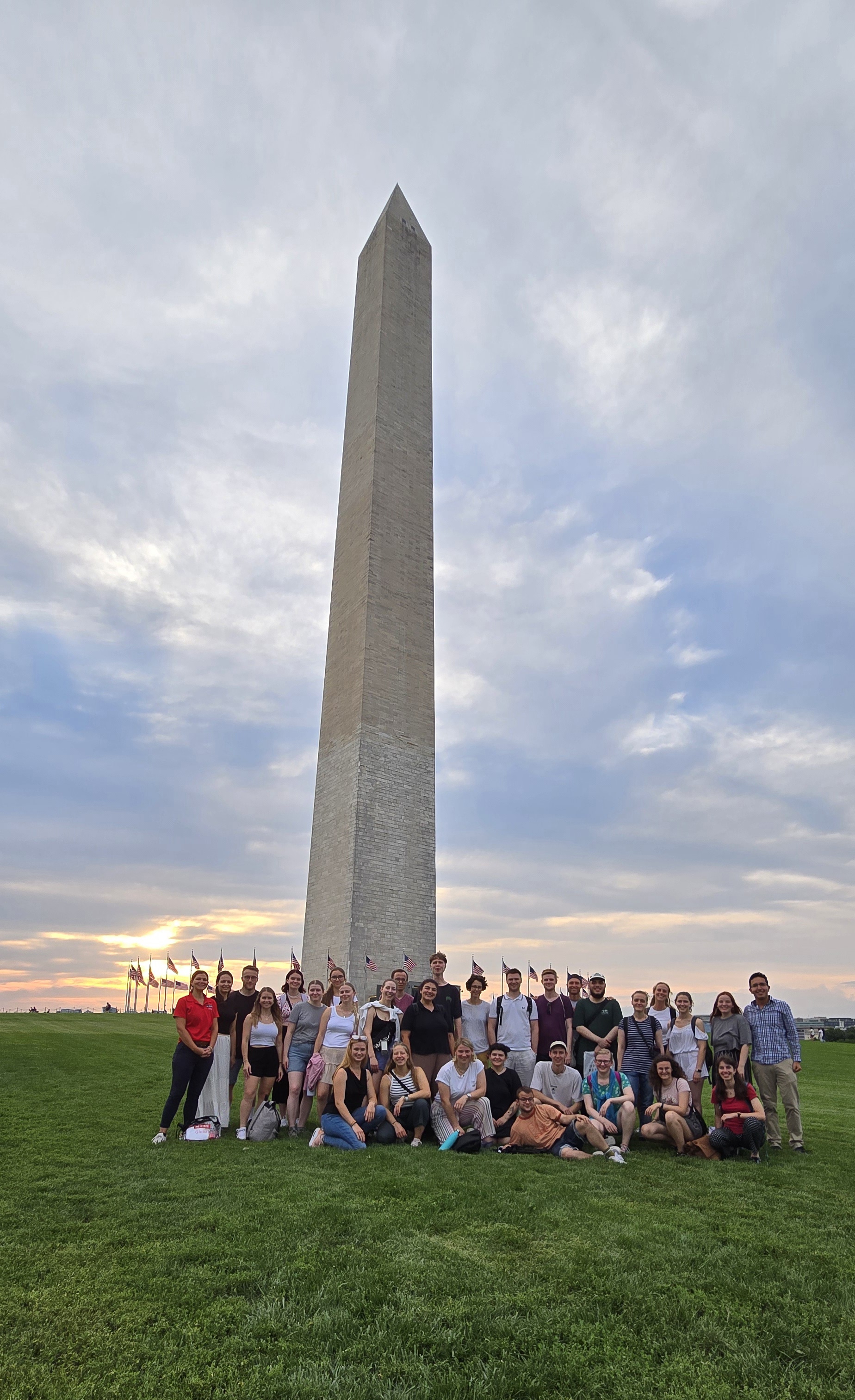
The 2026 Fulbright Germany Summer Institute will start in Washington D.C. on Sunday, August 2, continue with participants’ arrival in Raleigh, NC on Thursday, August 6 and conclude with their return to Germany by Saturday, August 29.
The general overview of program activities can be viewed with this Google Calendar Link.
Institute Topics
- UN Sustainable Development Goals
- Cultural Identity & Community
- Innovation & Entrepreneurship
- U.S. American History, Culture, and Society
Food and Lodging
Participants will reside at the TownePlace Suites at Raleigh University, a nearby long-stay hotel located near off-campus student housing and will share double-occupancy rooms with a kitchenette (stove, refrigerator, microwave, sink, dishwasher) and bathroom. As part of Marriott’s commitment to sustainability, in-room services are limited to a weekly cleaning and refillable shower supplies are provided.
Participants can use local public transportation to easily access NC State University campus, restaurants, grocery stores and downtown Raleigh City. A meal card will be provided for use at campus dining facilities.
Transportation
Keeping the program theme, “A Culture of Sustainability,” in mind, every effort will be made to consider public transportation options like buses and trains when possible. Students will use a GoPass local transit card which can be used for unlimited rides around the Raleigh area. NC State Transportation also provides a cost-free bus system, and it is connected to an affordable bike-share program with locations all around the city. For their transfer from Washington DC to Raleigh, NC, students take advantage of Amtrak train service. When needed, additional transportation to program events will be arranged via the NC State motor pool fleet services. The 4-week program duration is intended to provide students with the fullest possible experience in a short-term academic program, in view of transatlantic flights’ impact on our environment.
Online Preparatory Course: Developing Cultural Competence
Participants are encouraged to enroll in the Global Training Initiative virtual exchange program as their online preparation for the in-person program. The Developing Cultural Competence (DCC) Student Certificate Program connects NC State students with students from our global partner institutions for facilitated cultural exchange in a virtual environment. The course is designed to provide a theoretical framework for understanding culture, learning about cultural dimensions, and improving cultural competence. The program can be completed in July 2026.
This program is sponsored and coordinated by the German-American Fulbright Commission.